How to be a powerful storyteller on Substack in the hospitality and wedding industry
There is a particular kind of internet fatigue and cultural exhaustion setting in lately - from performance, from platforms that reward speed over substance, reaction over reflection, and visibility over mindset. Brands are being told to create more content, faster, louder, and more consistently than ever before. And yet, somehow, much of it feels increasingly forgettable. This, perhaps, is why Substack feels so different.
Not because it is new, but because it offers something the internet has been missing for a long time: a return to the earlier days of online writing, when people shared unpolished observations, personal essays, niche fascinations, and behind-the-scenes thoughts simply because they had something interesting to say, not because an algorithm demanded it.
In today’s digital landscape, where new platforms and ecosystems emerge almost weekly, it can be difficult to decipher what is truly worth a brand’s time, energy, and creative attention. But Substack represents something larger than another marketing channel or social platform. Its rise reflects a shift in consumer behavior: the desire for depth, specificity, and authentic viewpoints.
What Substack Really Is
Founded in 2017 as a newsletter and publishing tool, Substack has grown into something closer to a cultural ecosystem, reaching over 35 million active monthly subscribers in 2026, with traffic that reportedly outpaced both The Wall Street Journal and CBS News last summer. But its influence cannot simply be measured in numbers. What makes Substack matter is the kind of attention it attracts.
Unlike social platforms designed around algorithmic visibility, Substack rewards thoughtfulness. The best publications there don't read like marketing - they read like being a fly on the wall at a dinner party you actually wanted to be invited to.
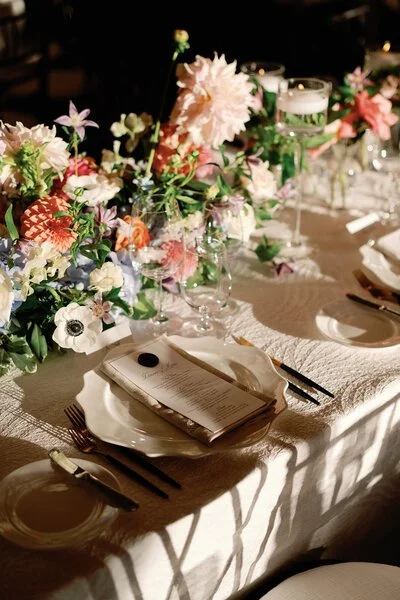
Whim Events, photo by Henry & Mac
It’s like the stages of getting to know someone new: where Instagram gives you the surface-level first impression, the curated imagery, the aesthetic shorthand, Substack is everything that comes after. The conversations that actually show you who someone is; not just what they tell you upfront.
This matters more than ever in industries grounded in trust. Particularly within luxury weddings and hospitality, clients are conducting deep research long before they ever inquire.
Gen Z audiences are increasingly turning to Substack as an alternative to algorithm-driven social feeds, seeking deeper, more intentional, personality-driven content.
They are evaluating emotional compatibility as much as creative capability. They want to know how someone navigates complexity, what they value under pressure, and what kind of experience exists beyond the portfolio itself.
The strongest Substacks understand this dynamic intuitively - they don’t sell, they invite.
Want to start a Substack?
The most important thing to understand about Substack is this: audiences can immediately feel when something is overly calculated. This is not a platform for overly polished corporate messaging. The brands and founders who thrive here blend the personal and the professional in a way that feels considered, not crafted. Here are a few formats worth building into your content mix:

Whim Events, photo by Henry & Mac
Your origin and perspective. Early on, and periodically along the way, give readers a real sense of where you and your team come from. Build a solid foundation around what has shaped you, your way of working, and the things you refuse to compromise on. Keri Ketterer Walter & Co. did this beautifully in her first post: a deep, personal look at her craft and history, written with such a specific voice that by the end, you genuinely feel like you know her. Substack rewards world-building and point of view over constant performance - making it especially powerful for founder-led, emotionally resonant brands.
A signature series. Repeatable formats give readers something to return for - and they give you a framework to work within. It could be a craft deep-dive, a candid project debrief, or a guest interview series. Take Sarah Bradshaw's At The Table: intimate conversations with industry professionals about building intentional businesses alongside full personal lives. The content is thoughtful and translates seamlessly into other formats - a good reminder that a strong Substack series doesn't live in isolation. It feeds your whole content ecosystem.
Inspiration roundups. One of Substack's strengths is that it lets people follow not just your work, but your curiosity. Don't underestimate how much your readers want to know what you're currently reading, noticing, watching, wearing, eating, experiencing, or fascinated by. A well-considered roundup positions you as a trusted guide, and someone worth paying attention to beyond the work itself. We close each of our own posts with a Fast Five roundup: a brief on industry happenings and creative moments that are sparking conversation among us. Entirely personal, team-driven, and easy to pull from our internal Slacks and DMs.
Industry commentary. Timely content on Substack has a longer shelf life than it does on social media, so consider being responsive to cultural moments when they align with your brand. When a trend breaks, a major wedding season wraps, or an industry conversation surfaces, be one of the first voices offering a distinctive take. Samantha Roberts’ NantyNarking is well-read for this kind of industry commentary that makes you feel both plugged in and challenged to think critically.
Circulate alternate media: Substack's built-in engagement tools and network growth format make it the perfect place to distribute other brand marketing mediums, particularly podcasts. Show hosts are finding extreme success distributing their episodes, and building community beyond each segment through the platform's features. Hannah Berner and Paige DeSorbo's Giggly Squad engages listeners in a dedicated space for conversation via the Chat feature, while Julia Louis-Dreyfus provides insider episode context and research through Newsletters sent to paid subscribers eager to dive deeper. Substack's community-driven format creates natural touchpoints and an ongoing forum with your audience.
Individuals want to know how the perspective of a brand is actually shaped. What informs their standards? What references, rituals, and conversations exist behind the work itself? Give your network access to a new worldview, a strong sense of taste, and context to ground those stories. In this sense, Substack is less a publishing platform and more an invitation into an exclusive club.
The Bigger Picture
Perhaps what makes Substack so compelling is that it feels less like social media and more like a great gathering. The best publications mirror many of the same principles that shape meaningful guest experiences: there is a rhythm, a familiarity, and a sense that someone took the time to make you feel something. If you’re curious, please subscribe to In Good Company PR’s Substack, The Houseguest, here.